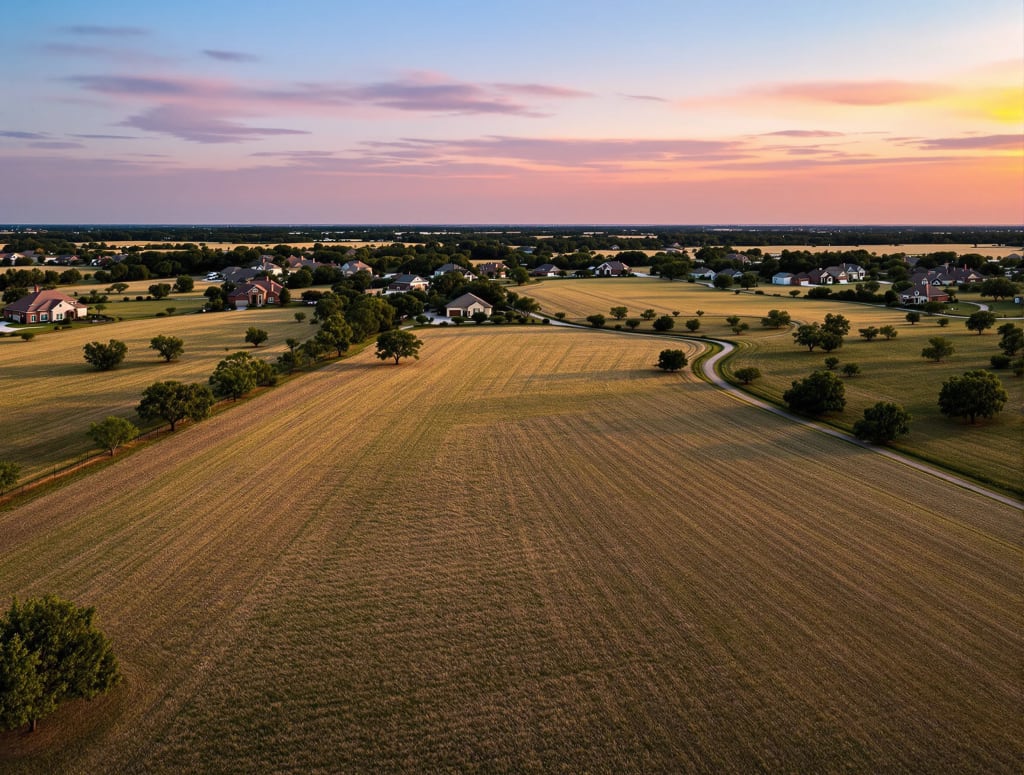
From Town Lots to Wide-Open Spaces: 7 Key Decisions When Buying in Decatur, TX
Choosing between an in-town home and wide-open acreage around Decatur, Texas isn't just a price comparison; it's a lifestyle crossroads. One path might mean walkable mornings, a quick coffee on the way to work, and neighbors just over the fence. The other could offer sunrises over your own pasture, the sound of horses in the distance, and a sky full of stars at night. Understanding what you truly want—and what each choice really involves—can save you stress, money, and disappointment down the road.
With a mix of historic neighborhoods, new construction communities, small ranchettes, and serious working ranches, the Decatur area gives buyers a rare range of options. That's why these seven key decisions matter so much: each one shapes how you'll live day-to-day, not just where you'll sleep at night. As you read, picture your real life in each scenario—your commute, your grocery runs, your hobbies, even how you spend Sunday afternoons.
Working with a local expert such as Heather McCallister of Easy Life Realty, who specializes in both in-town homes and Texas ranch, farm, and land properties, can help turn all these "what ifs" into clear, confident choices. With more than nine years of experience and over 400 closings, she's seen how these decisions play out long after the ink is dry on closing day.
1. How Much Land Do You Really Want to Maintain?
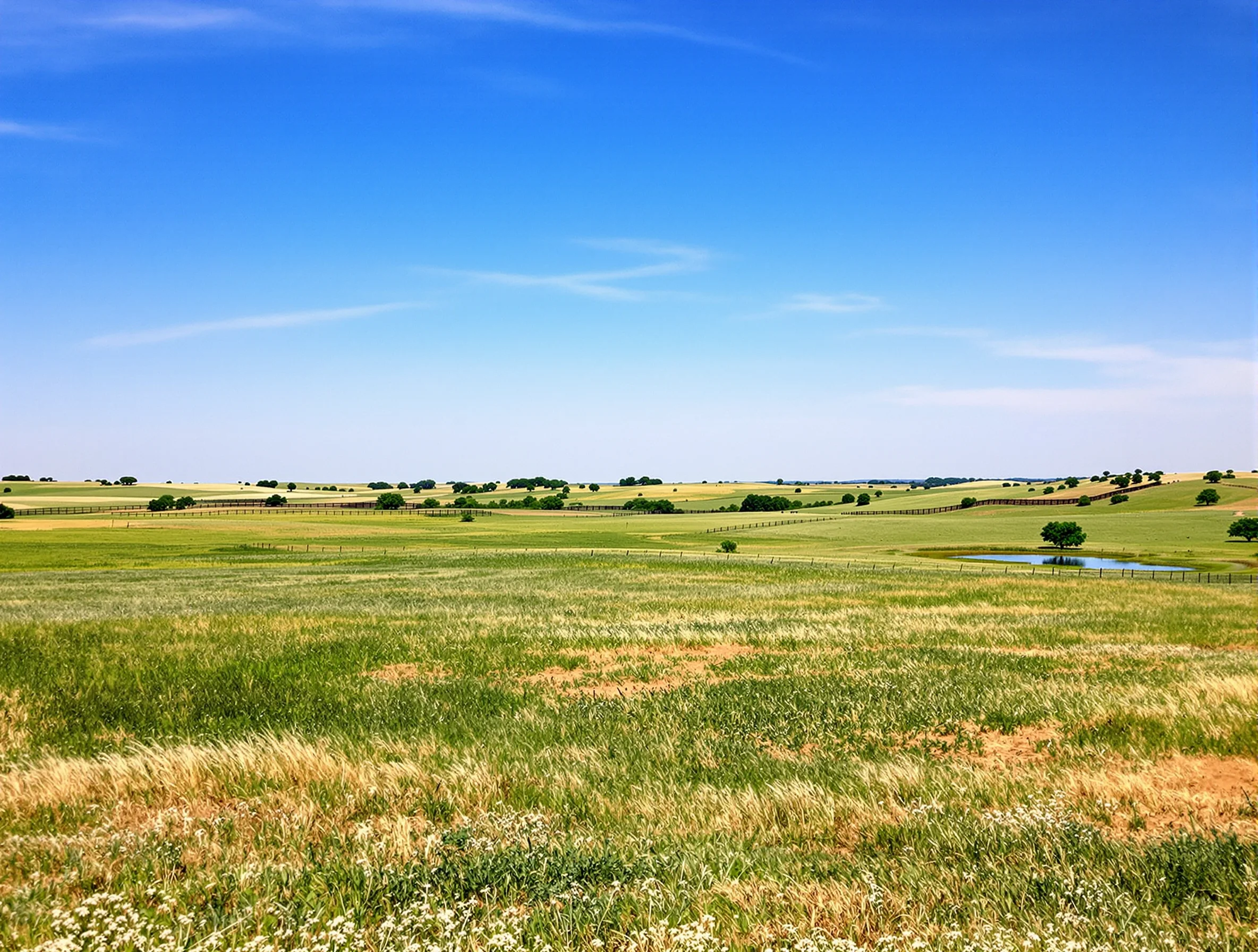
It's easy to fall in love with the idea of "as many acres as possible," especially when you see those big Texas skies stretching over open fields. But acreage comes with commitment. Every extra acre can mean more mowing, more fencing to check, more gates to maintain, and more potential issues with erosion or drainage. If you plan to run livestock, maintain trails, or grow hay, that work might be exactly what you're looking for. If not, those responsibilities can start to feel overwhelming.
By contrast, a town lot in Decatur may only require a small yard and a few trees to care for. You still get some outdoor space, but weekend chores stay manageable. This can be a better fit if your schedule is packed, you travel often, or you simply prefer low-maintenance living. Many buyers ultimately choose a "middle ground" like a 1–5 acre property just outside town, enjoying elbow room without taking on a full-scale operation.
Whenever you tour potential properties, imagine the property after a heavy rain, in the middle of summer heat, and during a busy workweek. If you're already wondering how you'll keep up, it might be a sign you need a smaller footprint—or more help lined up from local service providers. An experienced land and residential agent can point out red flags like rough access, overgrown areas, and fencing challenges that buyers sometimes miss.
2. Commute, Convenience, and Everyday Logistics
Another major decision revolves around how close you want to be to town amenities. In Decatur, living in or near the city center can put you just minutes from schools, grocery stores, medical services, and major highways. That convenience adds up when you're juggling kids' activities, work schedules, and daily errands. You may even find yourself using local parks and community events more often simply because they're easy to reach.
Moving farther out into the country means trading some convenience for privacy and space. A 20–30 minute drive into town might not seem like much on paper, but multiply that by early-morning practices, last-minute store runs, and appointments. Fuel costs, vehicle wear, and your own time are all part of the long-term price of rural living. For some buyers, the quiet night skies and peaceful mornings are more than worth it; for others, the constant driving gets old fast.
It helps to do "practice runs" during the same times you'd normally commute. Drive from a prospective property to your workplace, schools, or favorite hangouts. Think about how that drive would feel in bad weather, during construction, or after a long day. If the distance barely registers as a nuisance, you're likely a good fit for a country setting. If you feel anxiety rising just picturing it five days a week, a closer-in option may suit you better.
3. Utilities, Water Sources, and Internet Reality Check
Behind every beautiful property is a set of practical questions about utilities. In-town homes in Decatur are more likely to have city water, sewer, natural gas, and reliable high-speed internet. These services simplify life and can make future resale easier. Buyers often underestimate just how convenient it is to call a city department or major provider when something goes wrong.
Out in the countryside, you may encounter water wells, septic systems, propane tanks, and more limited internet choices. None of these are deal-breakers, but they require a different mindset. Wells need to be tested and monitored, septic systems need regular maintenance, and some areas may only have satellite or fixed wireless internet options. If you work from home, stream a lot of video, or have kids doing online schoolwork, internet availability should be one of your earliest research points—not an afterthought.
Agents familiar with Wise County and the Decatur area, like those at Easy Life Realty, can quickly tell you what's normal for a given property type and location. They'll also advise on inspections, testing, and questions to ask about well depth, water quality, septic age, and easements tied to utility access. Getting clear answers upfront can protect your budget and your peace of mind.
4. Zoning, Restrictions, and What You're Allowed to Do
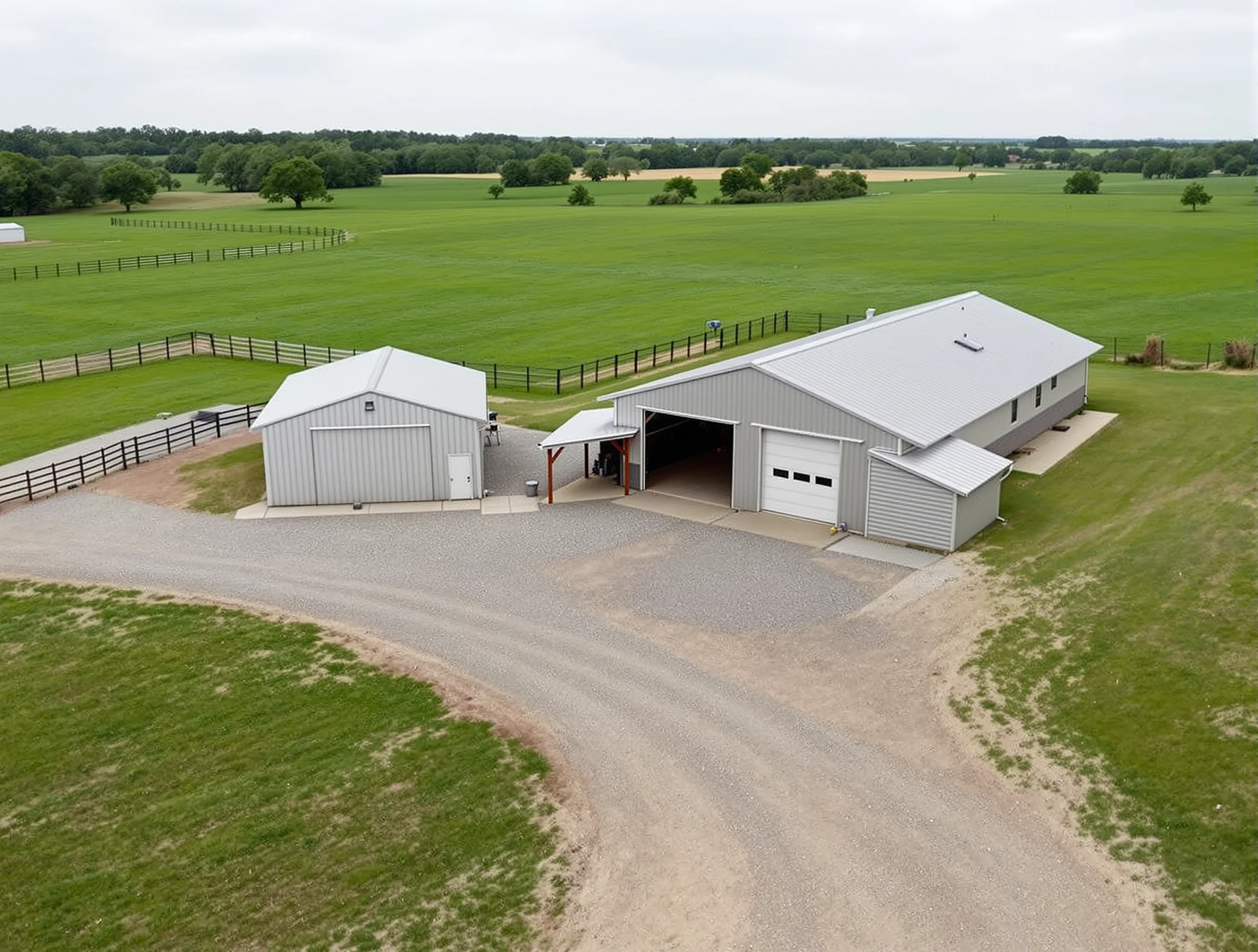
Whether you dream of raising a few head of cattle, adding a shop, or running a home-based business, local rules will shape what's possible. City lots in Decatur may be governed by zoning ordinances and homeowners' association guidelines that limit outbuildings, parking, fencing styles, or animal types. Those rules are designed to protect neighborhood appearance and property values, but they can feel restrictive if you're craving more freedom.
Rural tracts typically offer more flexibility, but that doesn't mean anything goes. County regulations, deed restrictions, pipeline easements, and agricultural exemptions can all influence how you use your land. You'll want to know whether you can build a second dwelling, subdivide in the future, or lease part of the property for grazing or hay. Understanding current and future options is especially important if you see the land as part investment, part lifestyle.
This is where a seasoned land and residential professional is invaluable. Someone who routinely handles both rural acreage and in-town home sales can help you read between the lines in listing documents, review surveys, and coordinate with local officials when needed. That way, you move forward knowing your vision for the property fits the legal realities, not just the marketing photos.
5. Schools, Community, and Daily Rhythm
For families and future families, school zoning is often as important as the house itself. The Decatur area enjoys respected schools and strong community involvement, but catchment lines can be surprisingly specific. Living in town may put you closer to campuses, sports facilities, and extracurricular events, which can be a huge plus for busy parents and student athletes.
On the other hand, life on acreage can give kids space to roam, ride, explore creeks, or learn basic land stewardship—experiences many families value just as highly as proximity to activities. Your "neighborhood" in the country may be measured in miles instead of blocks, yet rural communities around Decatur are often tight-knit, with neighbors ready to lend a hand when it counts.
Think about how you naturally recharge. Some people thrive in a place where they can chat with three neighbors on a short evening walk and wave to familiar faces at the grocery store. Others prefer to step outside and hear only wind, birds, and the occasional cow. Neither is right or wrong—what matters is aligning your purchase with the pace and feel of life you actually want.
6. Budget, Taxes, and Long-Term Costs
Price per square foot is just one piece of the financial puzzle. In-town homes may cost more up front for less land, but they often come with lower operating surprises: established utilities, smaller yards, and fewer unknowns. Rural property might offer more square footage and acreage for the money, but long driveways, private road maintenance, fencing, equipment, and potential improvements can add up quickly.
Property taxes are another factor to weigh. Certain rural tracts may qualify for agricultural or wildlife exemptions that can significantly lower annual tax bills, but those benefits come with requirements: productive use, documentation, and ongoing management. If you're considering this route, it's critical to understand what the current owner is doing to maintain the exemption and whether you're prepared to continue that plan.
A knowledgeable Texas agent who's comfortable on both sides of the town-and-country line can help you build a realistic budget. That includes purchase price, estimated closing costs, inspections, immediate repairs, and likely first-year expenses like gravel, fencing fixes, or tree work. With that clarity, you can compare a city home and a ranch-style property on fair terms instead of just focusing on the listing number.
7. Your Five- and Ten-Year Vision
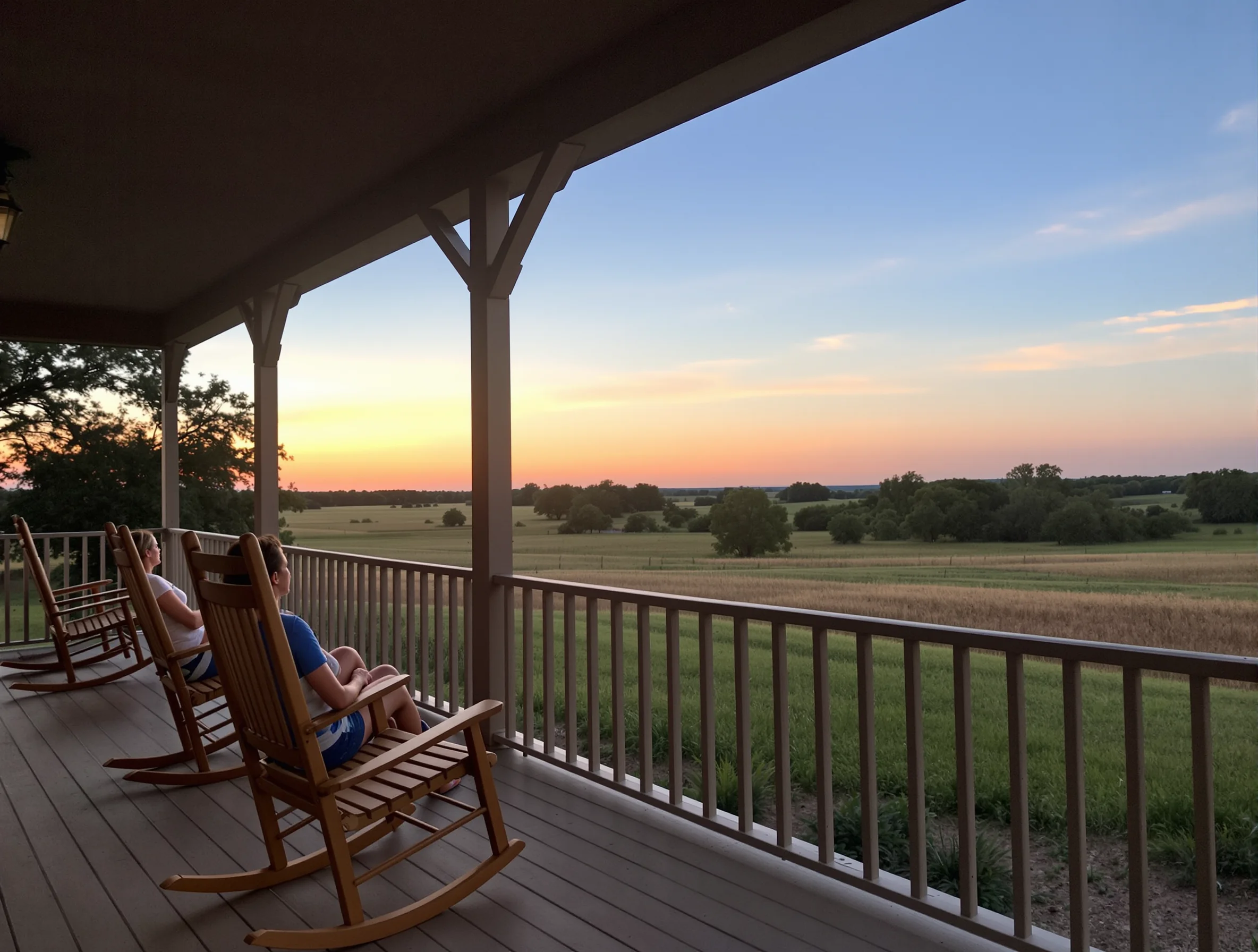
Perhaps the most important decision is also the easiest to overlook: how your life might change in the next five to ten years. Will you be caring for aging parents who need to be close to medical care? Are you hoping to welcome grandchildren for weekends on the farm? Do you see yourself starting a small business, growing a hobby into a side income, or eventually downsizing?
Homes inside Decatur can be excellent choices for long-term flexibility, offering easier resale and broad appeal to a wide range of future buyers. Acreage properties, meanwhile, can become multigenerational gathering places or income-producing assets if planned well. The "right" choice often depends on where you are in life and how much energy you're excited to invest in your property.
Articulating that vision out loud with your agent can be surprisingly powerful. Professionals like Heather McCallister at Easy Life Realty listen for those key details—future horses, potential shop, desire for quiet, need for convenience—and then help you filter options accordingly. Buyer representation in Texas typically comes at no direct cost to you, so there's real value in having an advocate who understands both the residential and rural sides of the market.
Bringing It All Together with Local Expertise
Deciding between a town lot and wide-open spaces around Decatur, TX doesn't have to feel overwhelming when you break it into these seven decisions: land maintenance, convenience, utilities, rules and restrictions, community fit, financial realities, and long-term vision. Each choice nudges you a little closer to either in-town living or country life—or perhaps a thoughtful blend of the two.
If you're serious about exploring your options, partnering with a local expert who lives and breathes Texas real estate can make all the difference. As a lifelong Texan and a specialist in both ranch and residential properties, Heather McCallister brings the seasoned perspective of more than 400 successful closings to every conversation. Backed by the resources of Easy Life Realty, she can guide you through everything from city inspections to well tests, from HOA bylaws to pasture layout.
Whether your heart leans toward a cozy Decatur bungalow or a sprawling slice of Wise County countryside, the right guidance helps you move forward with clarity and confidence. When you're ready to turn dreams into driveway views—whether paved streets or gravel lanes—reach out and start the conversation. Your next chapter in Decatur is waiting, and it deserves a decision made with both wisdom and excitement.