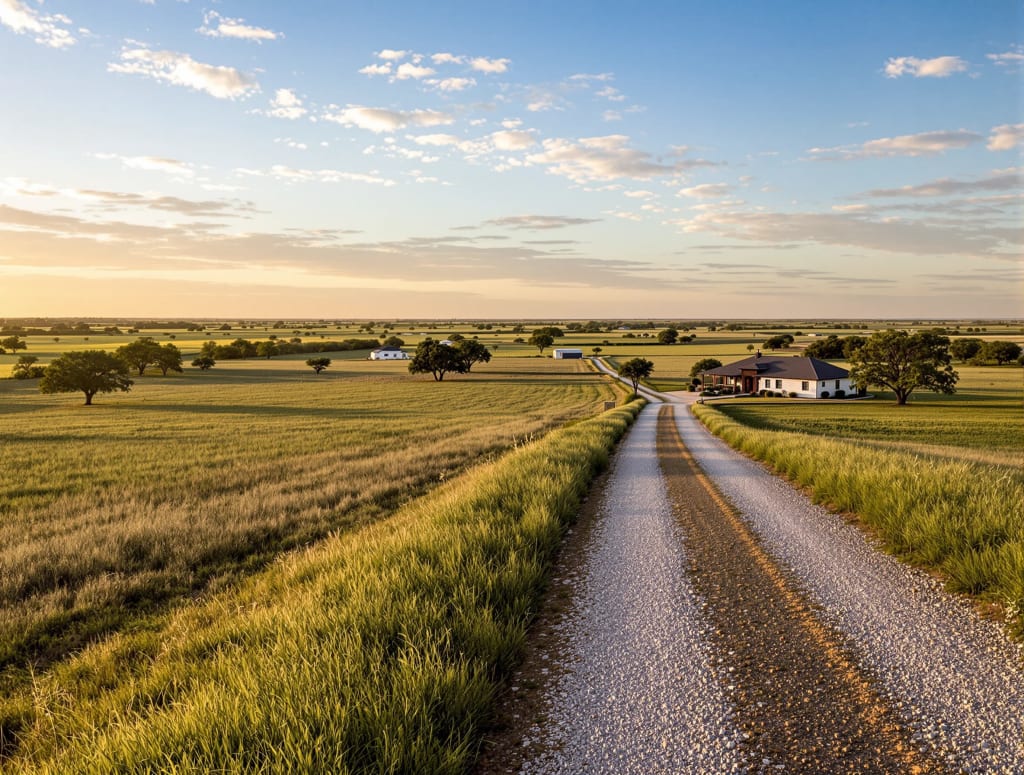
Chico With Elbow Room: 6 Things Rural Buyers Forget to Check Before Signing on Acreage
Dreaming of wide-open spaces outside Chico, Texas, where you can watch the sun melt into the horizon and hear more crickets than cars? That picture is easy to fall in love with, especially if you are escaping tight suburban lots. But acreage living comes with a different rulebook, and skipping a few key details up front can turn that dream into a very expensive surprise. Before you sign on the dotted line, it pays to look beyond the pretty pasture and make sure the land truly fits the life you want to build.
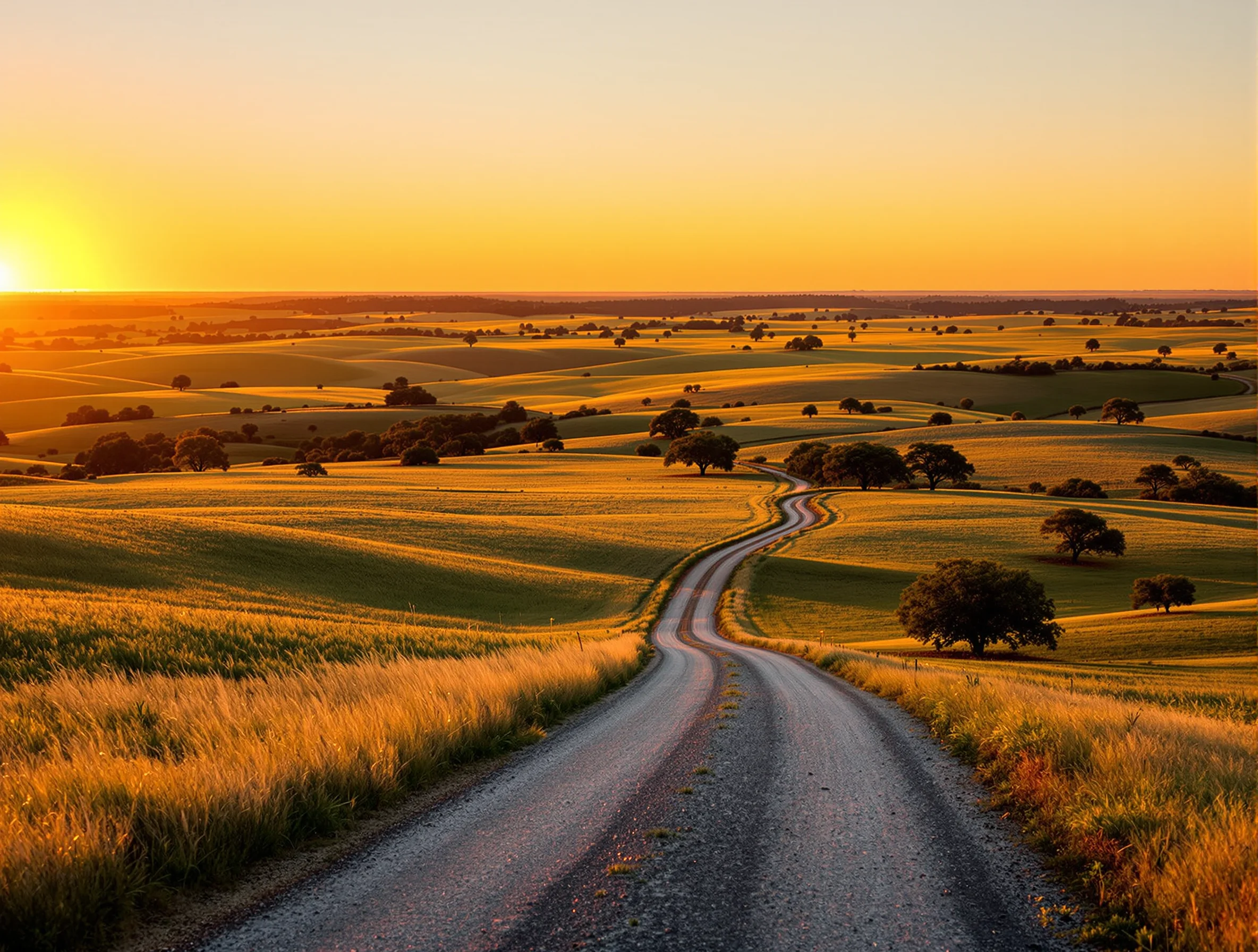
In the rural pockets around Wise County, the details that matter most are often invisible during a quick showing. You might see fences, trees, and a nice spot for a barn, but you will not instantly see easements on the title, the condition of a water well, or how the land behaves after a hard North Texas thunderstorm. That is where working with someone fluent in both Texas ranch properties and in-town homes, like Easy Life Realty agent Heather McCallister, makes all the difference. She knows what buyers wish they had asked after closing — and how to get those answers ahead of time instead.
Below are six common blind spots rural buyers overlook when they fall for acreage near Chico with plenty of elbow room. Use this list as a conversation starter with your agent, your inspector, and your lender so that you end up with land that works as well as it looks. The goal is not to scare you away from country living, but to help you step into it with eyes wide open and confidence in your long-term investment.
1. Water, Wells, and What Happens in August
Everyone notices the pond sparkling in the sunshine, but far fewer buyers dig into what their actual water situation will be on a 100-degree August afternoon. In much of rural Texas, you will not be tying into a city water system; instead, you may rely on a private water well, a shared well, or a rural water supply corporation with limited capacity. Each option comes with different costs, responsibilities, and risks.
An experienced rural agent like Heather will encourage you to ask for well logs, pump age, and production history when possible. You will want to know whether the well can keep up with both household use and livestock, and whether the depth and aquifer are typical for the area. If there is no well yet, it is important to talk to local drillers or neighbors about realistic drilling depths and costs. Even if you are handy, drilling or deepening a well can be a five-figure project, which is the kind of surprise that can throw off your whole country-living budget.
It also helps to think seasonally. Ask about water levels in drought years, whether neighbors have had to truck in water, and how ponds or tanks hold water through a dry spell. Easy Life Realty's long Texas roots mean you can tap into real-world, lived experience instead of just the rosy picture from a springtime showing when everything is green and full.
2. Access, Easements, and How You Actually Reach the Property
That quiet gravel road may feel charming, but it is worth confirming whether you have legal and reliable access to your new acreage. In rural areas around Chico, many properties are carved up from larger ranches over time, and the only way in or out may be via an easement across someone else's land. This is not necessarily a problem, but the details matter: where the easement runs, how wide it is, who maintains it, and what vehicles are allowed.
Be sure your title commitment and survey clearly show how you reach the property and whether any third parties have rights to cross your land as well. A pipeline easement, for example, could limit where you can build structures, plant trees, or dig. A shared road easement might come with maintenance costs you did not plan for, especially after heavy rains damage the surface. With more than nine years and 400+ closings under her belt, Heather is used to spotting unusual easement language and getting clarification before it delays closing or catches buyers off guard later.
It is also smart to think about practical access for the lifestyle you envision. If you plan to trailer horses, haul hay, or bring in large equipment, consider whether the road and entry gate can realistically handle that traffic. Tight turns, low tree branches, or steep entrances can be more than just a minor annoyance when you are maneuvering a loaded trailer after dark or in wet conditions.
3. Septic Systems, Soil, and Where the House Can Go
In town, you usually hook up to a municipal sewer and never think twice about where your wastewater goes. Out on acreage, it is a different story. Most rural homes near Chico rely on septic systems, and not every piece of land is ideal for the type of system you might prefer. Shallow bedrock, flood-prone areas, and clay-heavy soils can all limit your options or increase your costs.
If the property already has a home, review the septic permit, age, and maintenance records. A failing or undersized system can be expensive to replace, and not every older system will comply with today's rules. For vacant land where you plan to build, a soil test and conversation with a local installer can help you understand whether a conventional system is feasible or if you will need an aerobic system with more moving parts and ongoing maintenance.
Zoning and county regulations layer onto the physical realities of the land. Setbacks from property lines, wells, creeks, and easements can all affect where you can place a future house, shop, or guest quarters. Talking through your building plans early with a land-savvy agent like Heather helps you line up engineers, installers, and county contacts before you invest serious money in design or construction.
4. Fencing, Neighbors, and Livestock Realities
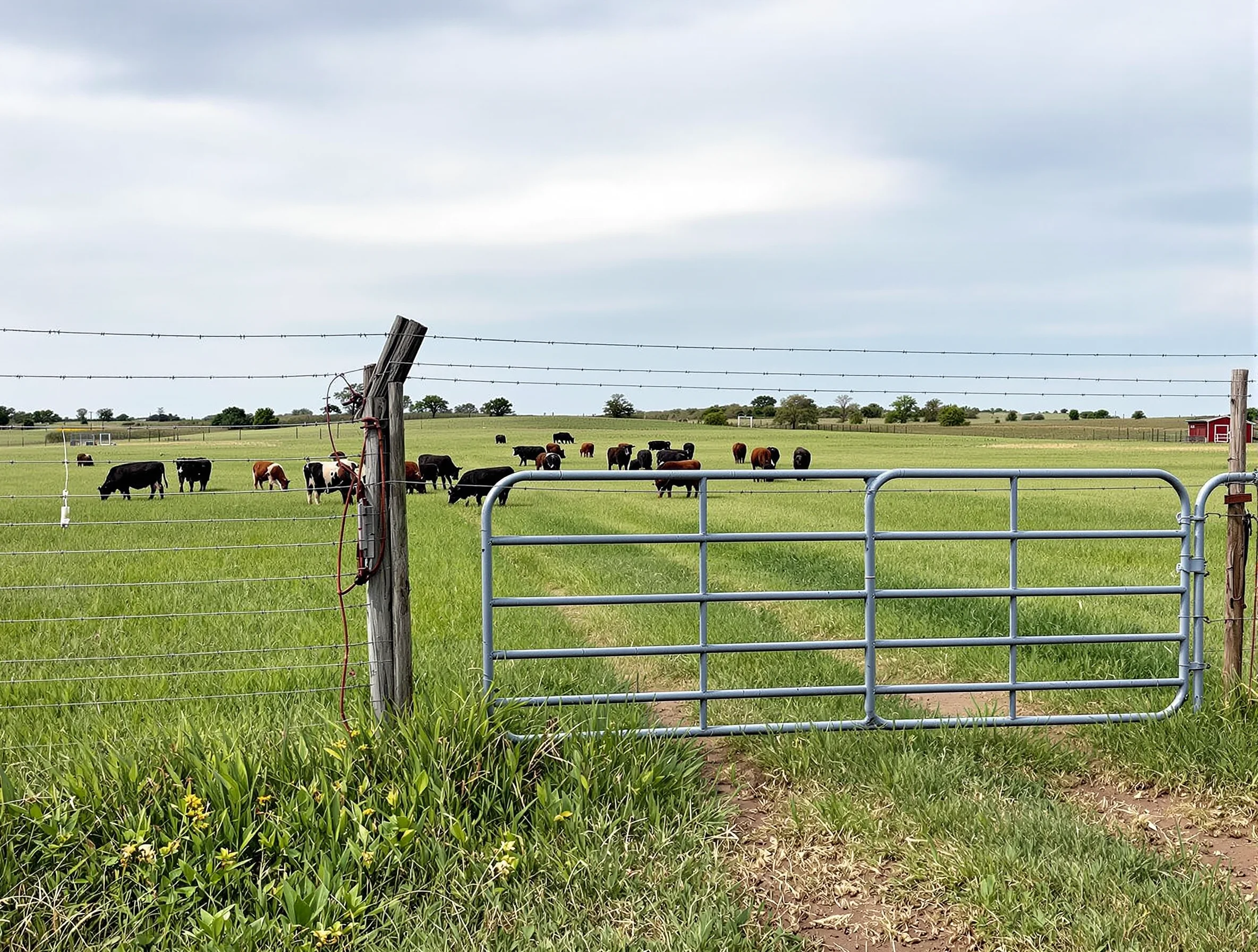
Country living around Chico often comes with cows, goats, horses, and sometimes the occasional curious neighbor's livestock peeking over your fence. Before closing, take time to understand which fences are yours, which are shared, and what condition they are truly in. Old barbed wire might look fine from the truck, but a closer walk can reveal loose strands, rotten posts, and wide gaps that will not hold animals — or keep them out of your garden.
Texas has a long history of "open range" traditions, and local norms and county rules can vary. It is wise to know whether you are responsible for fencing livestock out or whether neighbors are responsible for keeping their animals in. Property lines may not follow the visible fence, either, so having a current survey and walking the boundaries is important if fencing and grazing are part of your plans. Heather's day-to-day work with ranch and farm properties means she can help you ask the right questions about cost-sharing, existing fencing agreements, and realistic improvement budgets.
Equally important is the human side of your new rural neighborhood. Even on 10 or 20 acres, you will still have neighbors nearby. Take a drive at different times of day, listen for road noise or equipment, and look for signs of hunting activity, outdoor gatherings, or frequent target practice. None of these are automatically deal-breakers, but you will want to be sure they match your comfort level and lifestyle expectations before making a long-term commitment.
5. Utilities, Connectivity, and Everyday Convenience
It is easy to assume that electricity, internet, and trash service will be as simple in the country as they are in town, but that is not always the case. Some acreage tracts are close to power lines but still require you to pay for poles and trenching to reach your future home site. Others may sit in a cellular dead zone or only have access to slower, more expensive internet options. If you work from home, rely on streaming for entertainment, or have teens with devices, these details will matter more than you might think.
Ask specific questions: Which utility providers serve the property? Are there existing meters on-site, or will you be starting from scratch? How do current owners handle trash and recycling — private pickup or trips to a local transfer station? Heather's deep knowledge of Texas markets and her background as a born-and-raised Texan give you a realistic picture of what daily life will look like, from power reliability during storms to typical monthly utility costs.
While you are at it, consider how far you are from grocery stores, medical care, and schools. Chico offers small-town charm, and larger hubs like Decatur or the Dallas–Fort Worth Metroplex bring more options, but drive time adds up. Many rural buyers are happy to trade quick convenience for elbow room and privacy; it just helps to make that trade with full awareness of how it will shape your weekly routines.
6. Future Land Use, Taxes, and Long-Term Value
The final piece many rural buyers overlook is the future. Land may feel untouched and timeless, but zoning, county plans, and market forces can change how an area develops over the next decade. Looking into nearby subdivisions, proposed roads, or industrial projects can tell you whether you are buying into an area that will stay quiet or one poised for rapid growth. Either path can be positive, depending on your goals, but you should not have to guess.
Property tax status is another big consideration. Many acreage tracts near Chico and across Wise County carry agricultural or wildlife exemptions that significantly lower annual taxes. If you plan to continue grazing cattle, cutting hay, or maintaining wildlife management practices, it is important to understand what is required to keep that exemption. If you do not want to run animals or manage the land yourself, talk to your agent about realistic options and what taxes might look like if the exemption changes in the future.
As someone comfortable with both rural acreage and residential home sales, Heather can help you zoom out and see the big picture. That includes resale potential, likely buyer demand down the road, and how improvements like fencing, barns, and cross-fencing might impact value. With Easy Life Realty's backing and tools, you get both local insight and up-to-date market data to support a confident decision.
Bringing It All Together With the Right Partner

Owning acreage near Chico with room to breathe can be deeply rewarding. You get space for animals, gardens, workshops, and quiet evenings under big Texas skies. To fully enjoy that lifestyle, though, you need more than a pretty view; you need land that will support your plans without constant surprises. Water reliability, access, septic feasibility, fencing, utilities, and future land use all play a role in whether your new property feels like freedom or frustration.
The good news is that you do not have to navigate those questions alone. Buyer representation with Easy Life Realty comes at no direct cost to you, and working with a specialist in Texas ranch, farm, and land properties means you benefit from hard-earned experience instead of learning everything the hard way. Heather's track record of 400+ successful closings across rural and in-town properties gives you a calm, seasoned guide through surveys, inspections, title work, and all the fine print that comes with country property.
If you are thinking about carving out your own piece of Texas near Chico or elsewhere in the region, consider this your invitation to slow down, ask deeper questions, and partner with someone who understands both the romance and the realities of acreage living. With the right guidance, that dream of elbow room can become a solid, well-researched investment — and a place you are proud to call home for years to come.